If you're looking to buy Freeline Skates online, at Freeskates.eu you'll find Freeline Skates in different ranges, sizes and skill levels, from beginner models to options for more experienced riders. You can compare Freeline Skates with other types of skates to choose the one that best fits your level.
Besides shopping online, at Freeskates.eu you can also find answers about maintenance, protective gear and choosing the right model. If you're not sure which Freeline Skates to choose, we'll help you understand the differences before deciding.
Frequently Asked Questions about Freeline Skates and Freeskates
Which Freeline Skates should I buy if I'm a beginner?
If it's your first time, it's best to start with a beginner Freeline Skates model: medium-sized wheels, greater stability and a gentler turning angle to build confidence before moving on to more technical models. As you gain control and balance, you can progress to higher-performance models built for tricks or higher speed.
Freeline Skates or inline skates, which one should I choose?
Although they're sometimes confused by name, they are different products. Inline skates are strapped to the foot with a rigid boot and wheels aligned in a row, designed for continuous urban skating. Freeline Skates are two independent platforms, not attached to the foot, ridden with an "S"-shaped motion similar to a skateboard or snowboard. If you're after tricks, maneuverability and a different learning curve than traditional skating, Freeline Skates are the way to go.
What maintenance do Freeline Skates need?
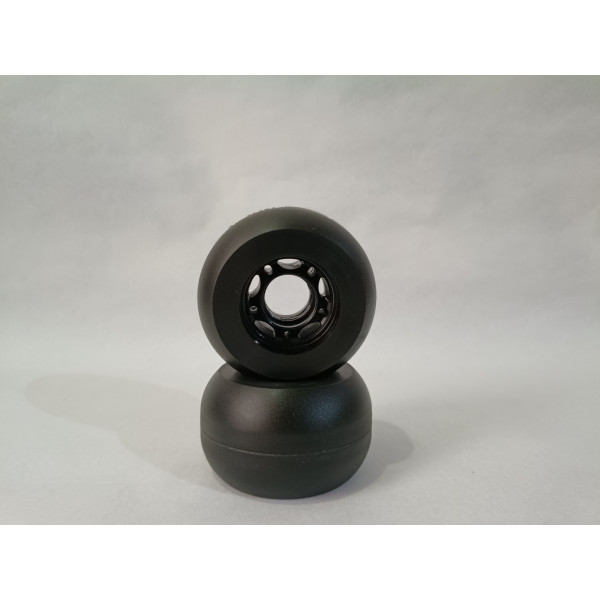
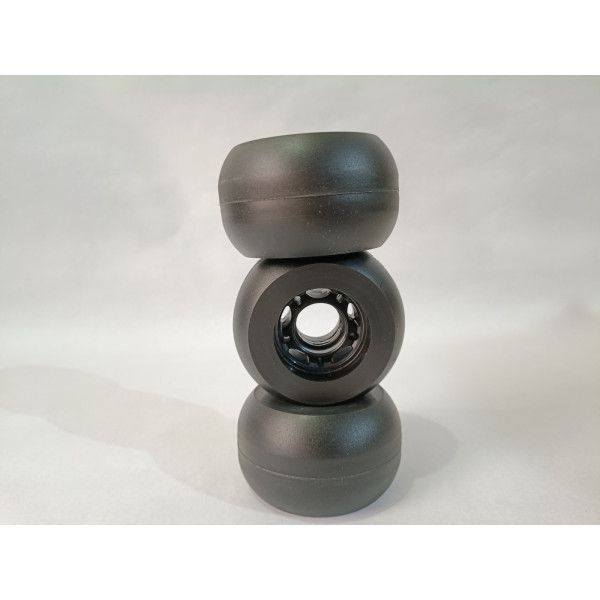
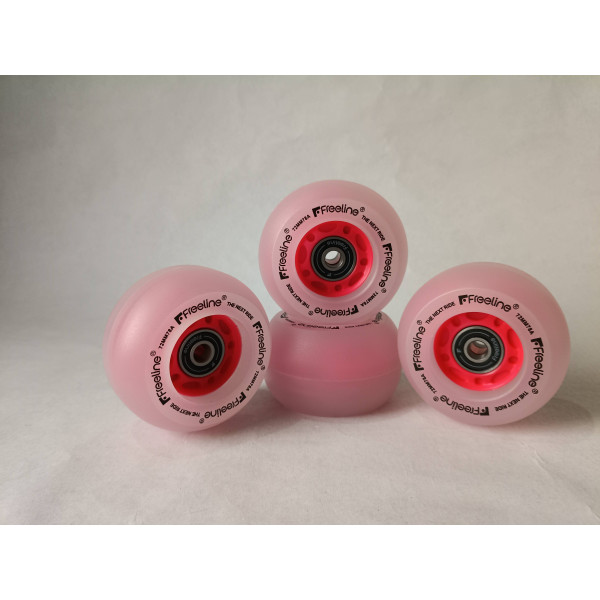
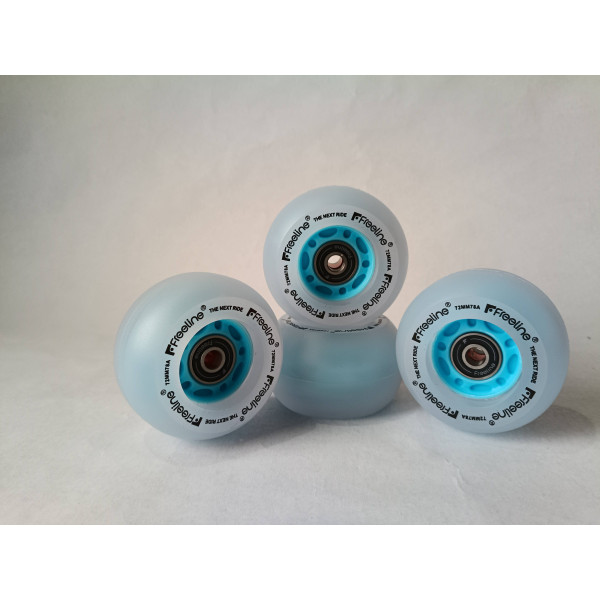
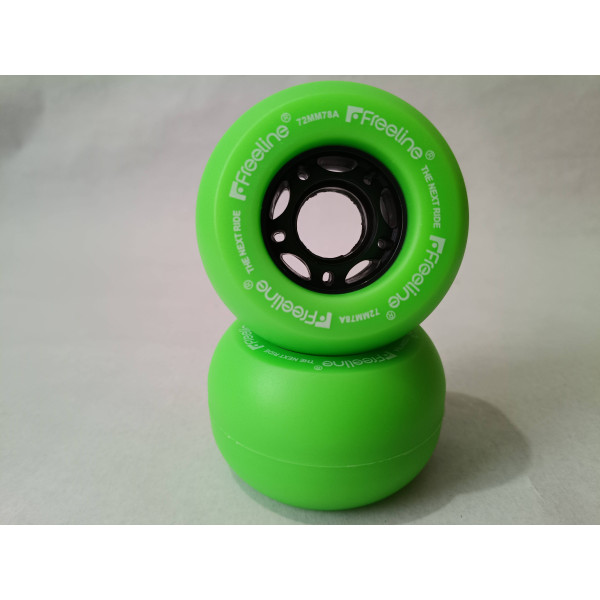
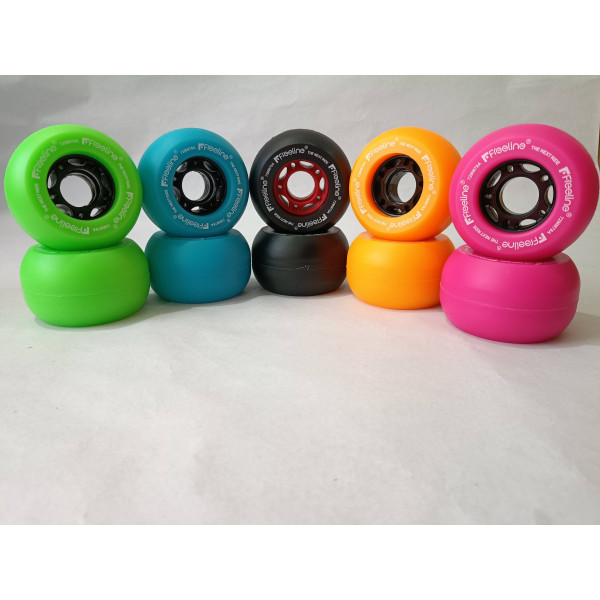
Basic maintenance for Freeline Skates involves regularly checking the wear on the polyurethane wheels, cleaning and greasing the bearings to keep the ride smooth, and making sure the screws and platform mounts are properly tightened. Regular maintenance extends the life of your skates and improves safety while riding.
What protective gear do I need to start riding Freeline Skates?
To start safely, it's recommended to wear a helmet, wrist guards, elbow pads and knee pads, just like in other skating or skateboarding disciplines. Since your feet aren't strapped to the platform, falls tend to be easier to control than with traditional skates, but protective gear is still essential, especially while learning.
What are Freeline Skates, and why are they also called Freeskates?
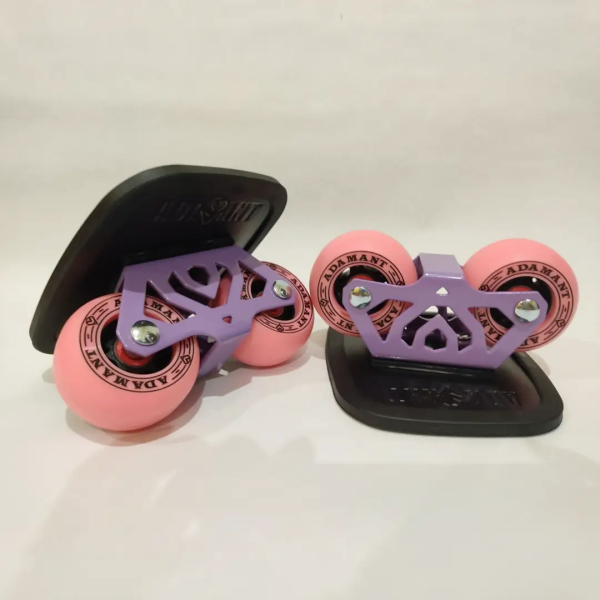
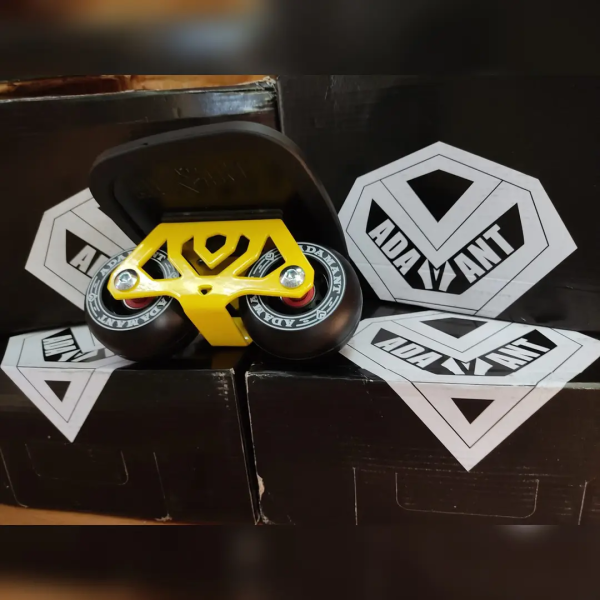
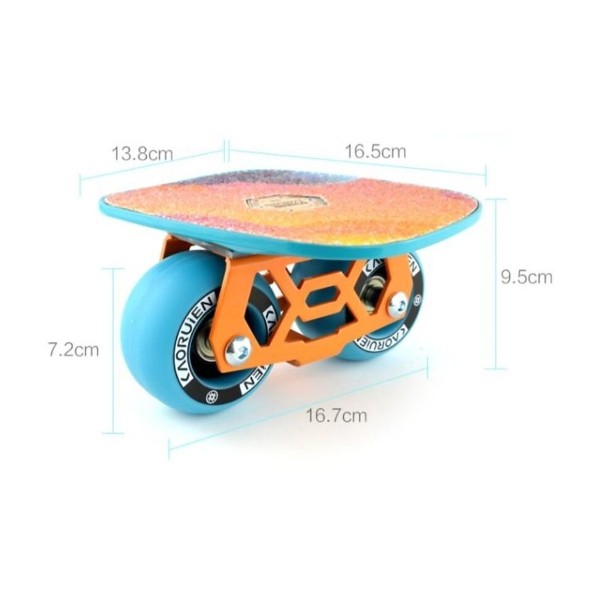
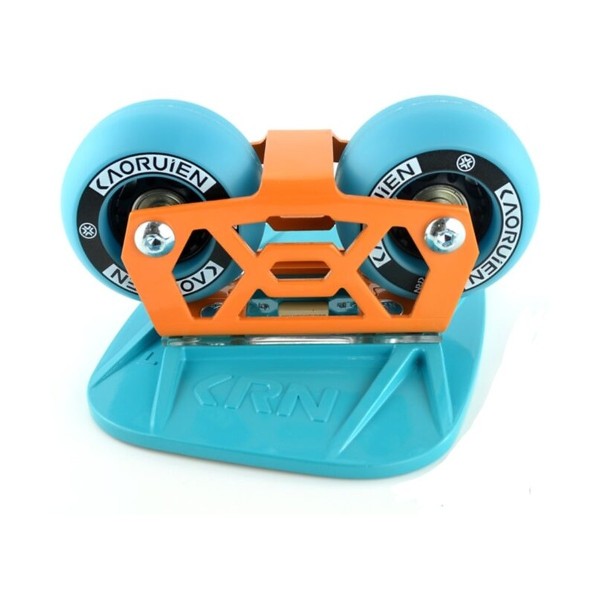
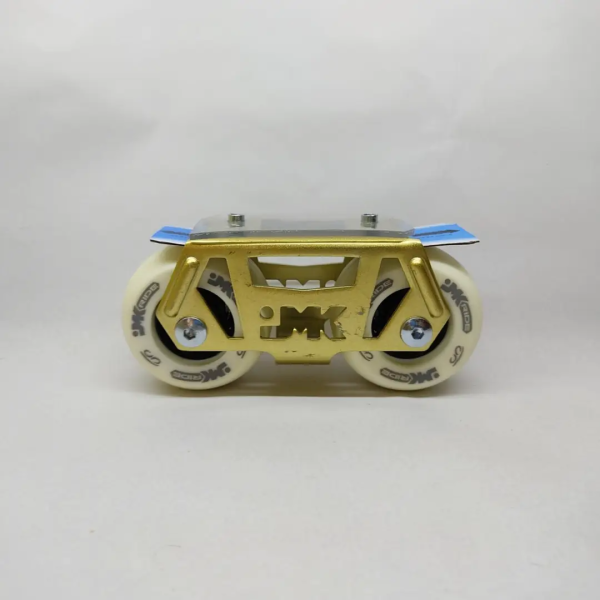
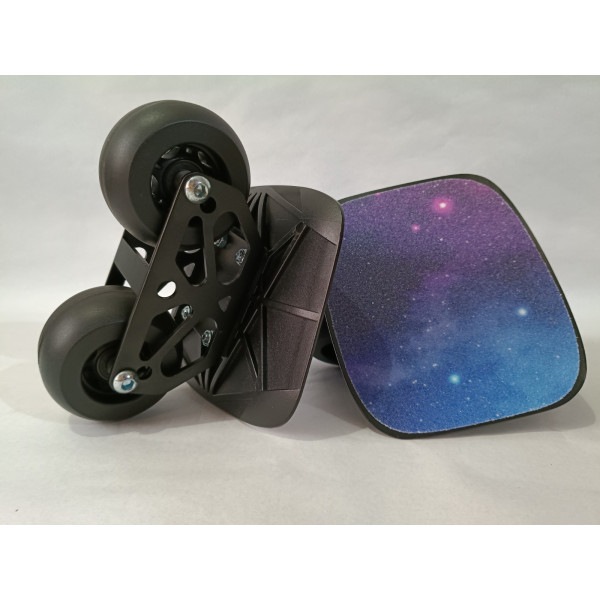
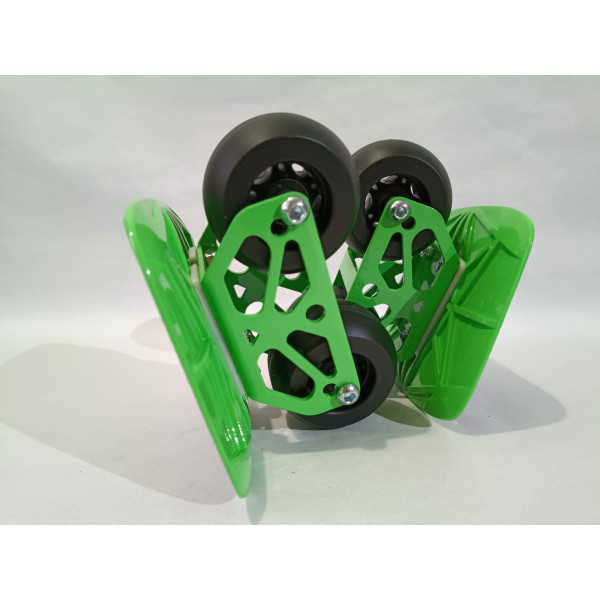
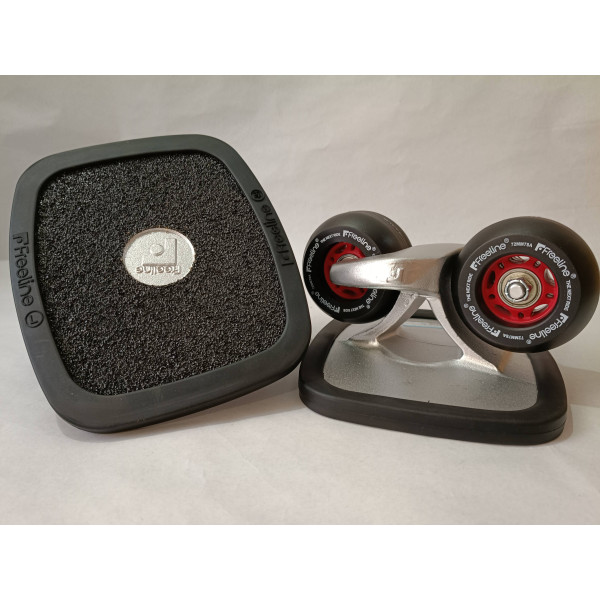
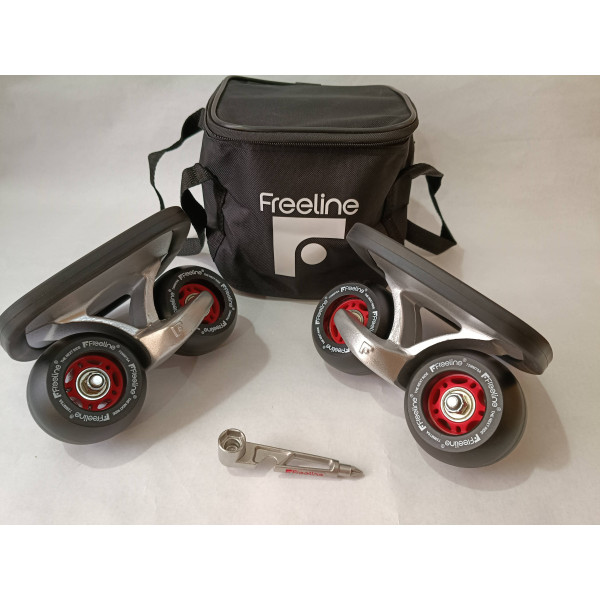
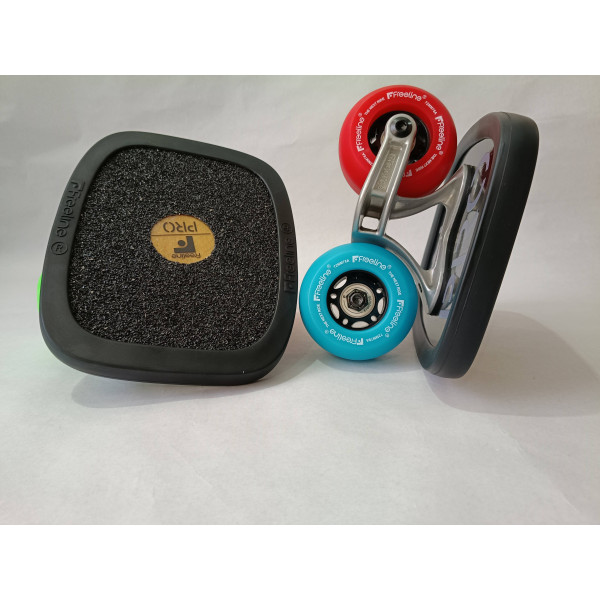
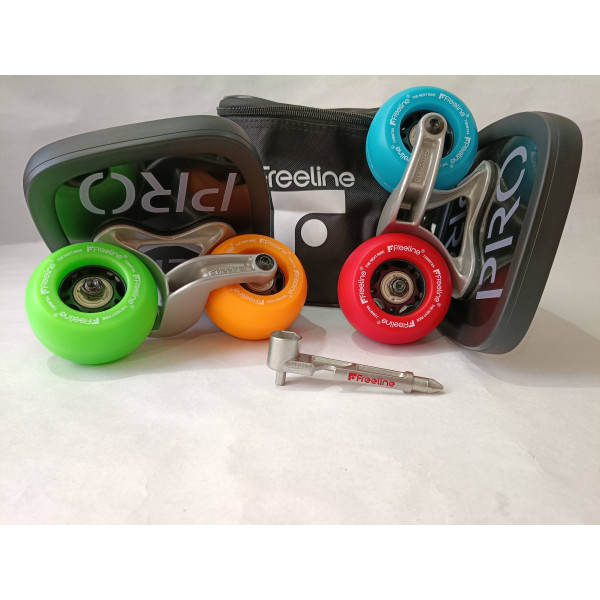
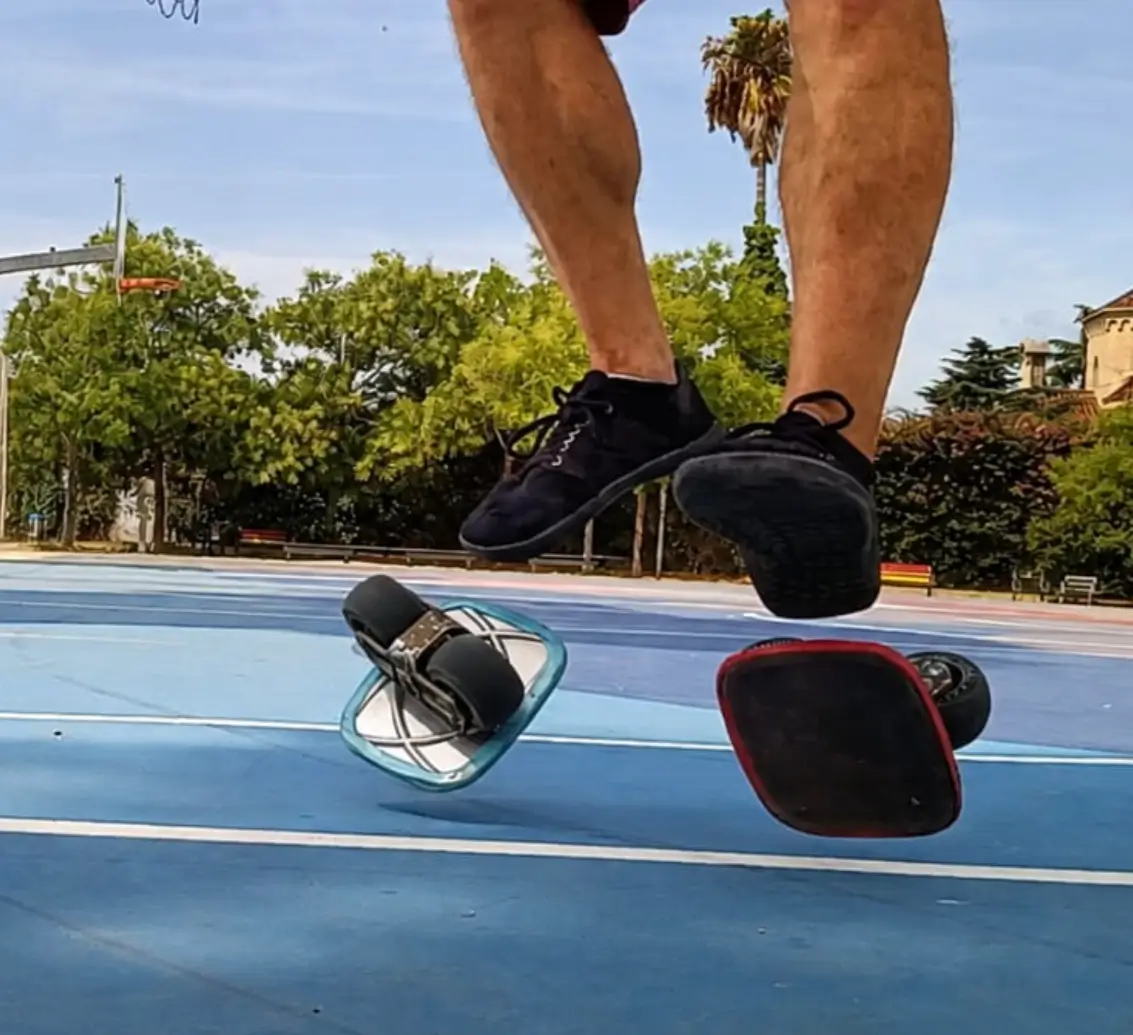
Freeline Skates (also known as Freeskates, or affectionately called "drift skates" by part of the community) are two independent platforms with wheels that aren't connected to each other or attached to the foot, ridden in a way similar to a skateboard or snowboard.
The original name, Freeline Skates, is tied to the brand and company that first introduced the discipline. Over time, part of the community started using the term Freeskates, partly for commercial and brand differentiation reasons. Today both names — Freeline and Freeskates — are the ones commonly used.
When and where were Freeline Skates invented?
Freeline Skates were invented in California, United States, in the San Francisco Bay Area, around 2005. From there, the discipline gradually spread to other countries.
In which countries are Freeline Skates practiced?
Although the Freeline Skates community is international, some countries have an especially strong presence: the United States (particularly California), Japan, China, Vietnam, France, Malaysia, Argentina, Chile, Mexico, Brazil, Spain, Australia, Germany and Thailand. Activity levels vary by country, but many of them have practice groups, meetups and events organized around Freeline Skates.
Are there Freeline Skates competitions or meetups in Spain?
Yes. China holds an annual Freeline Skates gathering that occasionally takes on an international scope, with participants from other countries, and Japan also organizes several meetups throughout the year. In Spain, the community also organizes local meetups between riders to share technique, learn new tricks and grow the community.
Is it difficult to learn Freeline Skates as a beginner?
How hard it is to learn Freeline Skates is fairly relative: at first, the "S"-shaped motion can look more complicated than it actually is, and it's normal to feel some instability in the first few days. With progressive practice, every rider gains balance, control and confidence, much like learning to ride a bike. The learning curve takes time and patience, but the difficulty drops quickly as you gain experience.
Are Freeline Skates safe? Is riding them dangerous?
Like any wheeled sport, Freeline Skates carry some risk of falling, which depends on the rider's skill and the environment. One safety advantage of Freeline Skates over other skates is that they're not attached to the foot and sit very close to the ground, making it easy to step off if you lose your balance. That said, surface conditions, traffic, obstacles and speed are all important factors. Learning progressively and wearing protective gear significantly reduces unnecessary risk.
Can Freeline Skates be used as a means of transportation?
That's not their usual purpose. Buying Freeline Skates purely to get around the city isn't especially practical, although an experienced rider can use them on certain routes if they know the terrain well and conditions are suitable. The main drawback is that most streets and urban spaces aren't specifically designed for this type of riding. That's why Freeline Skates should mainly be seen as a skill-based wheeled sport, even though they can occasionally be used to get around as well.
Do Freeline Skates have magnets?
No, they don't have magnets 😄. The turning and "drifting" feel come from the angle of the wheels and the rider's technique, not from any magnetic system.

 English
 Español



.png)
%201.png)
.png)